Why is measurement important?
Measurement. It’s an interesting topic. Everyone I speak to has a different point of view. But what it has brought to mind is that there is very little consistency, and because it is not widely talked about in detail, it can be a real ‘blocker’ for colleagues. So here are some of my fundamental thoughts on measurement.
At the point you create your marketing and communications strategy and plan for the year ahead, you will have a fairly good idea about what you want to achieve in the coming months. You’ll have targets you will want to reach and have a number of set things that you want to do to achieve business objectives.
But how do you measure that you’re on track or, at the end of the year, that you’ve achieved what you set out to do? There is lots of talk about measurement but how many of us are doing it or more importantly, doing it to a good standard?
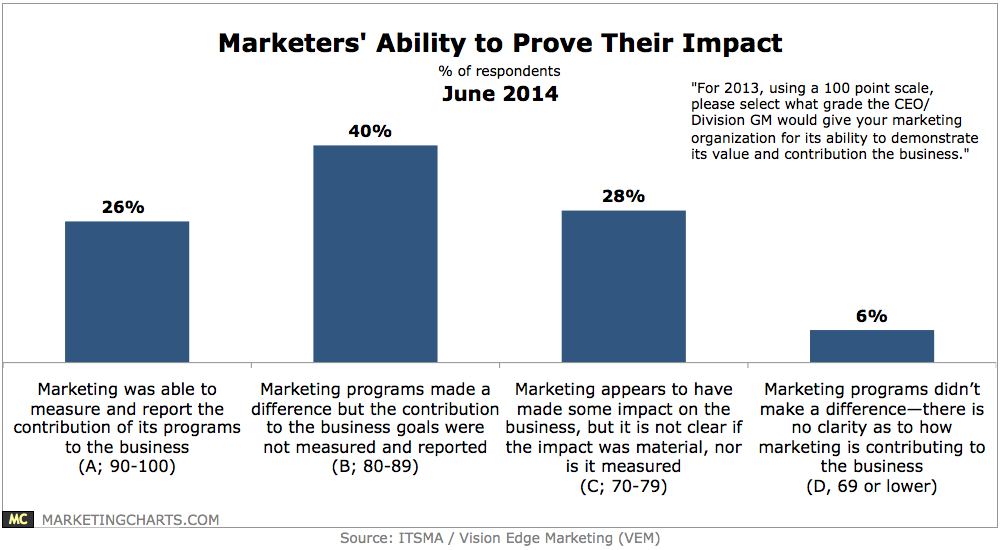
According to the IABC, more than half of internal communications practitioners aren’t measuring their comms and 74% of marketers can’t measure or report how their efforts impact the business.**
What should you measure?
So, what do we mean when we refer to measurement in terms of our external marketing and communications?
Well, one way to think of it is as your Outputs, Outtakes and Outcomes.
Outputs
Outputs are the figures used to measure success based on a team’s activities. They answer a simple question, such as did the team do their work on time, within budget, and on message.
Basic output metrics are simple to measure. An Output metric could be as simple as, post on Instagram twice a week or send out a monthly newsletter. Of course, this easy to measure, but how do these Outputs benefit the business? This is where your Outtakes metrics come in.
Outtakes
Outtakes metrics tell you things like –
-
How many people watched the video you posted on Facebook?
-
How many clicked through to the links you shared in your newsletter?
-
How many comments/engagements did you get on your latest blog post?
These metrics are easy to access through your social media channels, email, and website platforms. Make a point of reviewing this data for your own regular reports, where you can measure how certain types of content perform against others of yours. You can then adapt your content to what it is your audience want and engage with most.
Outcomes
Outcomes metrics are the last important part of your measurement checklist. These metrics will tell you what actions your audience took because of your communications.
This more than just likes and shares in a social media context. This is more to do with:
-
Did customer loyalty for the brand improve?
-
Are your leads more qualified?
-
Did more people buy something/sign up for your service after treading your blog post?
Although this can be hard to measure, one way is trialing a targeted campaign for a specific region or demographic group and seeing whether there is a boost in sales for those specifics.
These will link your content activity to business objectives and are the ones management really want to see – so make these part of your regular reporting.
Aside from showcasing your value to an organisation, the most important thing is to use measurement tools and metrics to demonstrate your achievements, help you learn and don’t forget to give yourself a big pat on the back and celebrate the wins!