
Cyberbullying For Parents And Young People By Alicia Drummond, Therapist & Founder Of The Wellbeing Hub
What is cyberbullying?
What is cyberbullying and how prevalent is it?
Research conducted by Ditch The Label found that 7 in 10 UK teenagers experience some form of cyberbullying before the age of 18 (1). Research conducted by the Cyberbullying Research Center in the US in 2021 found that 45.5% of 13–17-year-olds reported being bullied at some point during their lifetime (2) – it all makes for depressing reading.
The aim of this blog is to help you know what cyberbullying is, how to spot the signs that someone is being cyberbullied, and what to do to prevent/stop cyberbullying.
Cyberbullying is rife. It can happen on any device which is attached to the internet and allows two-way communication including social media and gaming. It also comes in many forms, but no matter how it happens it is done intentionally, repetitively, and to hurt, and it involves an imbalance of power.
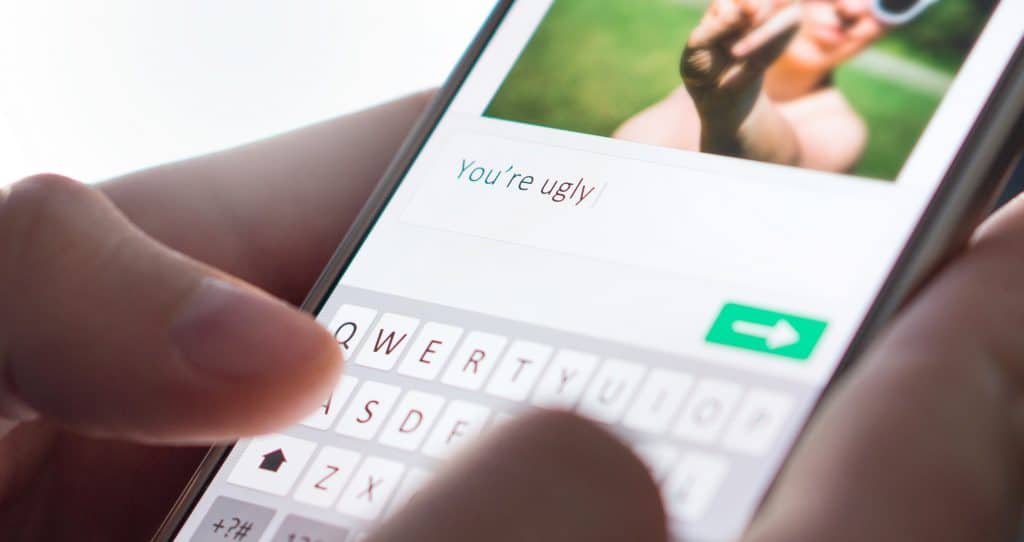
Types of cyberbullying:
Harassment
Targeting an individual or group with rude, insulting, abusive messages
Dissing
Sending or posting information with the intention of damaging someone’s reputation. Sharing photos of someone to make them look stupid. Altering photos of someone and posting them online. Spreading fake rumours and gossip.
Catfishing
Stealing someone’s profile or setting up fake profiles to lure people into starting online relationships.
Stalking
Sending repeated and frequent messages that include real threats of physical harm
Outing
Publicly sharing personal, private, or embarrassing information, photos, or videos about someone online
Fraping
Logging into someone else’s account, impersonating them, or posting inappropriate content in their name.
Roasting
Ganging up on an individual online and sending offensive abuse until the victim is seen to ‘crack’.
Trolling
Deliberately posting provocative and insulting messages about sensitive subjects or inflicting racism or misogyny on an individual.
Exclusion
Deliberately excluding someone from online conversations, games, and activities
Mobbing
Cyber-mobbing is defined as a group of people ganging up on someone using tactics of rumour, innuendo, discrediting, isolating, intimidating, and above all, making it look as if the targeted person is responsible (victim blaming). It is particularly distressing because the victim can feel as though everyone is against them.
Grooming
Grooming is when someone builds an online relationship with a young person and tricks them or pressures them into doing something sexual, to self-harm or do something criminal.
How can you stop your child being cyberbullied?
One of the most powerful things you can do to protect your child from bullying of any kind is to ensure they have healthy self-esteem and good social skills. With healthy self-esteem they know they have value and expect others to treat them with respect. With good social skills they can set boundaries, be assertive, and ask for help. They also need information such as understanding what constitutes bullying – see list above.
When your child starts out online you need to be alongside and letting them know that you are keeping an eye on what they are doing. Don’t allow them on social media sites or games that are not the right age for them. Set up permissions on tablets and smartphones so your child cannot download an app without your password. Discuss what a stranger is online. Talk to them about never revealing personal details to strangers online. Make sure privacy settings are set appropriately. Use parental controls to block websites and apps that aren’t child friendly. Set up firewalls to block viruses. Ensure your child knows that you are there to help should they come across upsetting material or have a bad experience online.
Keep talking and asking questions:
- Do you know how to block someone?
- Do you think cyberbullying is a problem for your friends?
- Who could you talk to if you were bullied online?
- What would you do if someone was threatening or blackmailing you?
- Do you think your friends would be supportive if you were bullied online?
How would you know if your child is being cyberbullied? Here are a few signs to watch out for:
- Change in mood over several weeks
- Loss of weight
- Frequent crying
- Avoidance of school or other previously enjoyed environments
- Withdrawal from family and friends
- Stops using computer or other mobile devices without explanation
- Appears anxious when receiving an instant message, email or scrolling through social media
- Secretive about computer activity
- Low mood after being online
What should you do if you are concerned/discover your child is being cyberbullied?
- Talk – don’t ignore the problem. You could say something like, “I have noticed you have seemed sad recently and have stopped going out with your friends, and I wondered if there is something going on you would like to talk about?” or “I might be totally wrong, but I have a feeling something is going wrong for you online. Are you being bullied or has someone got some kind of power over you?”
- Reassure – “if you are being cyberbullied, I am here to help.” “If you don’t feel comfortable talking to me, who could you talk to?” “If you are being bullied it is not your fault and we can stop it if we work together”.
- Involve them in finding solutions – when someone is bullied, they lose their power, so it is important to make sure they have a sense of power and control over how the issue is handled. Ask them what they need from you, how they think the problem should be approached, who they think would be the right person to help with technical/legal advice
- Encourage them not to respond to any form of online harassment. If they are being threatened first take a screen shot to save as evidence, then block and delete the post.
- Check in regularly – bullying counts as an ACE (Adverse Childhood Experiences) and can lead to trauma so make sure you explore the impact the cyberbullying has had on your child and be prepared to seek professional help if required.
References :
-
- Label, D. the (2019). Cyberbullying: The Ultimate Guide. [online] Ditch the Label. Available at: https://www.ditchthelabel.org/cyber-bullying-ultimate-guide/ [Accessed 13 Dec. 2022].
- Patchin, J.W. (2021). 2021 Cyberbullying Data. [online] Cyberbullying Research Center. Available at: https://cyberbullying.org/2021-cyberbullying-data


